The Talent Magnet: 10 Hiring Best Practices

1. Clearly Define the Role Before Hiring
Many hiring mistakes happen because the role isn’t clearly defined.
Best practices:
-
Write a detailed job description
-
Define must-have vs. nice-to-have qualifications
-
Identify key responsibilities and success metrics
-
Align the role with department goals
Tip: Meet with the hiring manager before posting the job to clarify expectations.
2. Use Structured Interviews
Structured interviews improve fairness and hiring accuracy.
Best practices:
-
Ask the same core questions to all candidates
-
Use a scoring system or rubric
-
Focus on behavioral questions (past experience predicts future performance)
Example questions:
-
“Tell me about a time you solved a difficult problem.”
-
“Describe a situation where you handled conflict at work.”
Learn More
3. Standardize the Hiring Process
A consistent process improves efficiency and compliance.
Typical hiring workflow:
-
Job posting
-
Resume screening
-
Phone/virtual screening
-
Structured interview
-
Skills or work sample assessment
-
Reference checks
-
Offer and onboarding
This helps reduce bias and keeps hiring organized.
4. Focus on Skills and Culture Fit
Don't hire only based on resume credentials.
Evaluate:
-
Technical skills
-
Soft skills
-
Problem-solving ability
-
Team compatibility
-
Company values alignment
Many companies now use skills tests or case studies.
5. Improve the Candidate Experience
A poor candidate experience can damage your employer brand.
Best practices:
-
Respond to candidates quickly
-
Communicate clearly about timelines
-
Provide interview preparation information
-
Send rejection emails respectfully
Even rejected candidates may become future applicants or customers.
6. Reduce Hiring Bias
Bias can unintentionally affect hiring decisions.
Best practices:
-
Use diverse interview panels
-
Remove identifying information during resume review
-
Focus on objective criteria
-
Use structured scoring
7. Use Data and Metrics
Track hiring performance.
Important recruiting metrics:
-
Time to hire
-
Cost per hire
-
Source of hire
-
Quality of hire
-
Offer acceptance rate
-
First-year retention
This helps HR improve future hiring strategies.
8. Build a Talent Pipeline
Don't wait until you need someone to start recruiting.
Best practices:
-
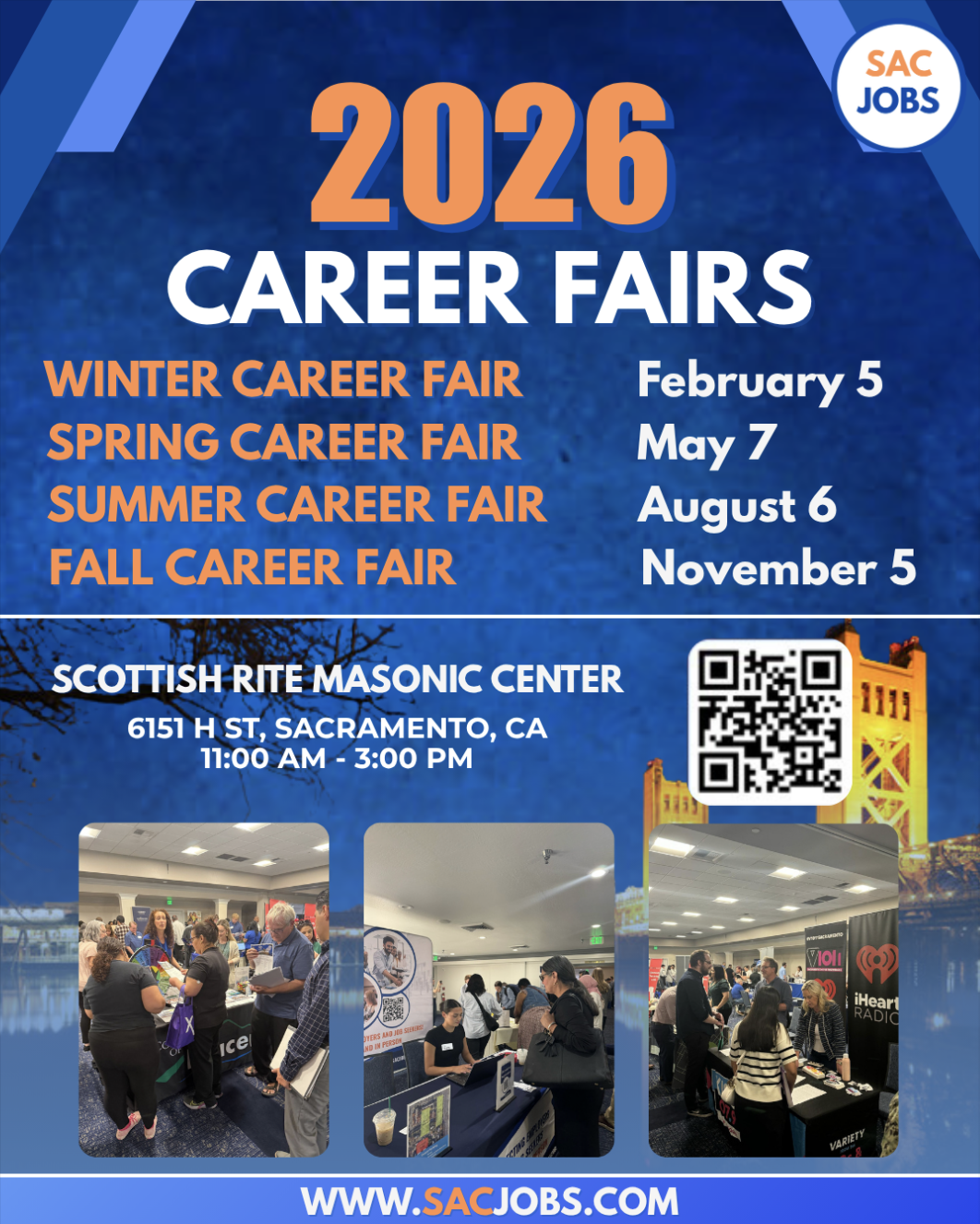
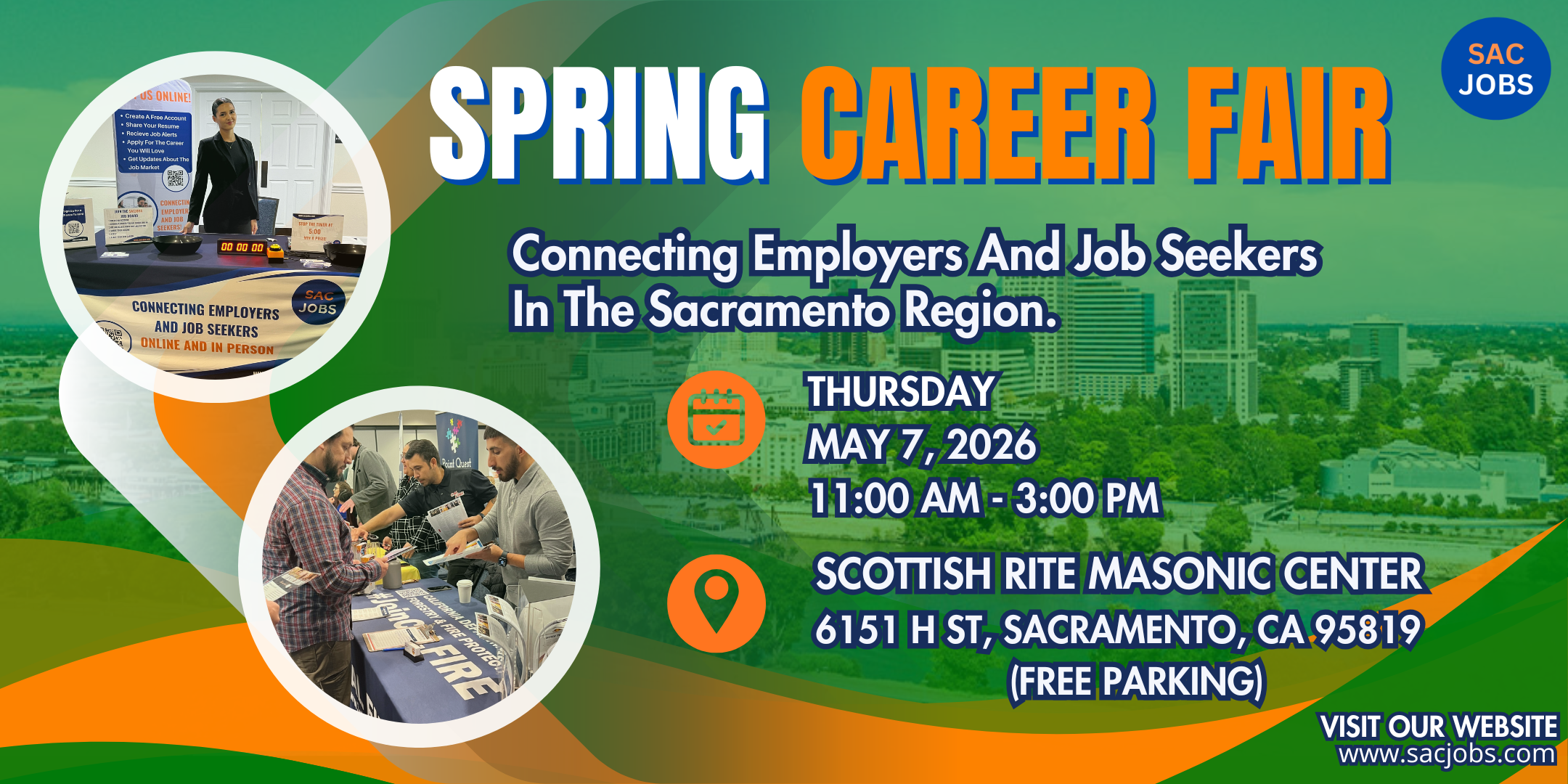
Attend career fairs
-
Maintain a candidate database
-
Engage with universities and workforce programs
-
Keep past applicants for future openings
(This is especially useful if you're organizing career fairs like you mentioned before.)
9. Conduct Proper Reference and Background Checks
Before making an offer:
-
Verify employment history
-
Check professional references
-
Confirm credentials
-
Conduct background checks when appropriate and compliant
10. Strong Onboarding Process
Hiring doesn't end with the offer.
Best onboarding practices:
-
Structured first-week orientation
-
Clear 90-day goals
-
Assign a mentor or buddy
-
Regular check-ins
Strong onboarding improves retention significantly.
✅ Bonus Tip:
Top HR departments treat hiring like sales and marketing — they actively promote their employer brand and sell the opportunity to great candidates.